







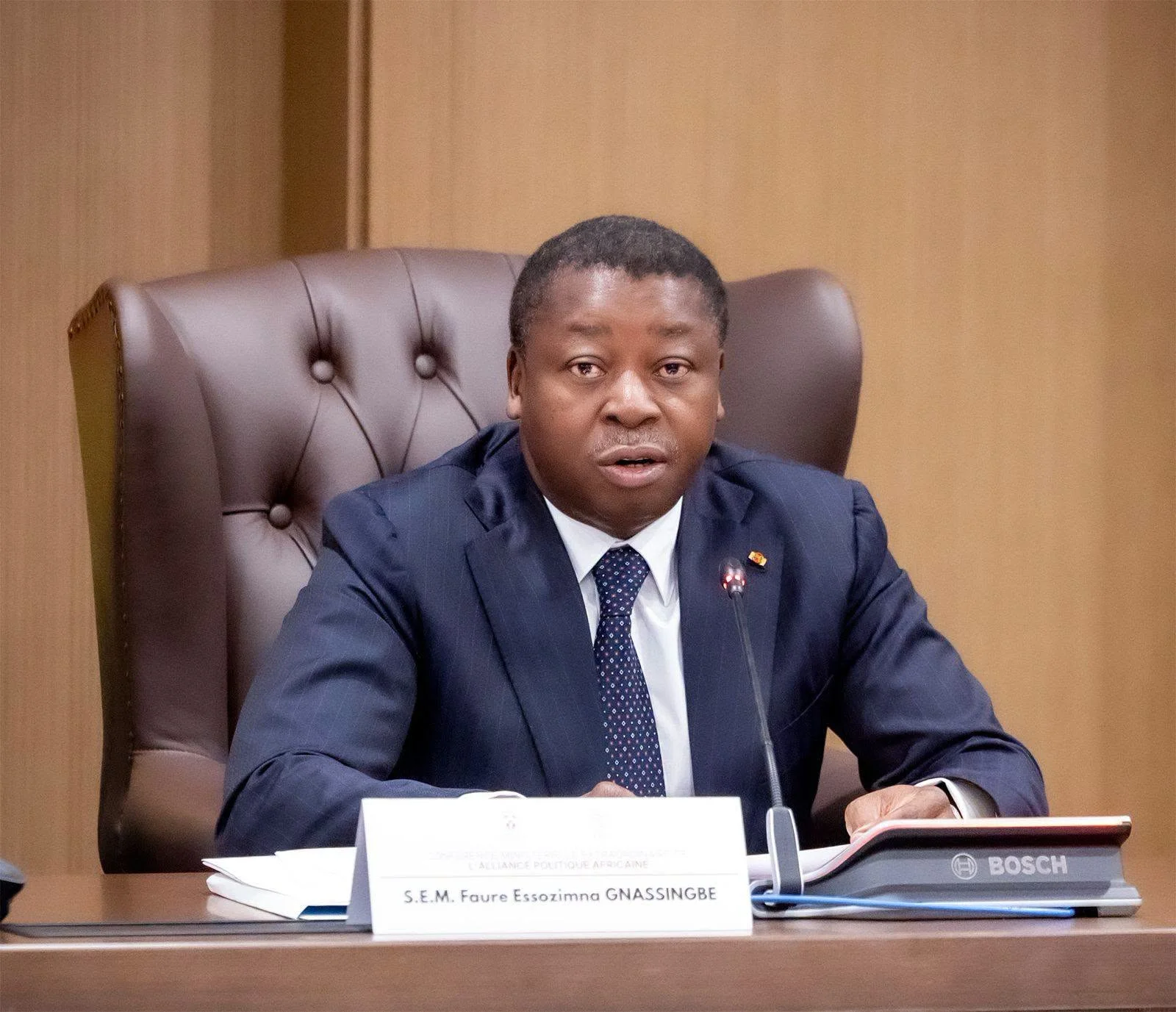
In Togo, there are laws that change lives. The one adopted on Monday, September 7, 2026, by the Council of Ministers, chaired by Faure Essozimna Gnassingbé, could very well be one of them. Togo has just passed a bill on the promotion and protection of people with disabilities, overhauling a legal framework that no longer met the requirements of a truly inclusive society.
The assessment that prompted this reform is clear-eyed and uncompromising. People with disabilities are an integral part of Togolese society, contributing to the country’s economic, social, and civic life.
Yet every day, they face invisible but very real barriers: limited access to education, healthcare, employment, infrastructure, and basic social services not to mention the stigma and discrimination that far too many of their fellow citizens still subject them to in their daily lives.
In light of this well-documented reality, the Togolese government has chosen to take legal action by bringing the national legal framework into line with the Convention on the Rights of Persons with Disabilities and by implementing the recommendations made to Togo by the relevant bodies.
An approach that grounds the protection of people with disabilities not merely in the goodwill of those involved, but in legal obligations that the government is committed to enforcing.
The scope of the adopted text is ambitious. Health, education and vocational training, accessibility and mobility, work and employment, social protection, and participation in public and political life: all areas where exclusion has historically occurred are now subject to strengthened provisions.
Special attention is given to women and children with disabilities, who are doubly vulnerable in a social environment that exposes them to intersecting forms of discrimination.