



Agriculture as a lever of sovereignty: Burkina Faso’s food security strategy

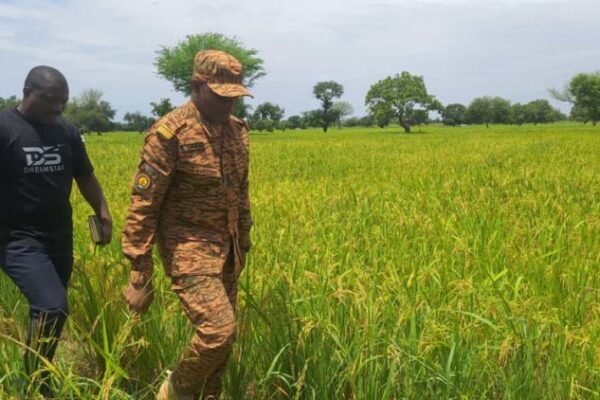
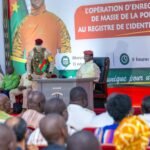
Thanks to a proactive state policy toward the agricultural sector, Burkina Faso is advancing on the path to food self-sufficiency. The country, long plagued by cereal shortages, now shows more encouraging results, supported by considerable public investment, improved organization of production, and a stated determination to limit imports.  Recent figures indicate cereal production exceeding 7…
Read Full News

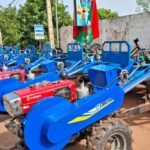
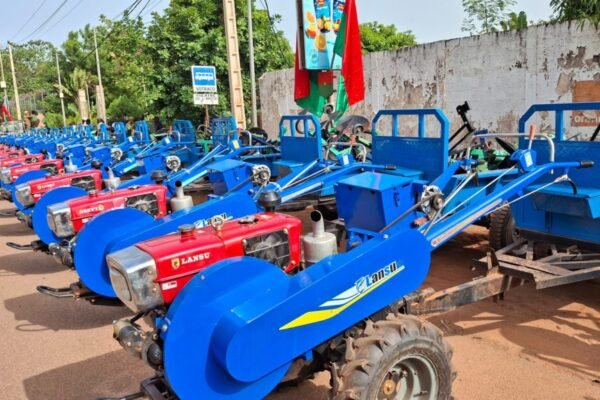
Burkina Faso: Agricultural mechanisation – a driver of farm modernisation

Burkina Faso’s state computer servers are leaving foreign shelters to anchor themselves in national soil. When Captain Ibrahim Traoré drives the shift toward digital sovereignty, the technical choice is doubled by an act of high politics. Depending on Western or Asian infrastructures to store civil registry records, land registers, and strategic defense data amounts to…

Read Full News

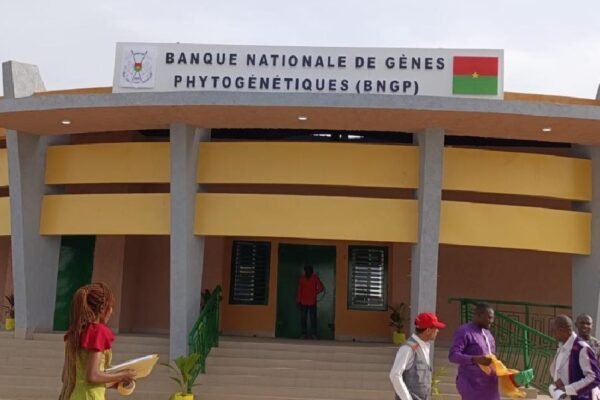
Burkina Faso: The National Plant Genetic Resources Bank, a cornerstone of agricultural sovereignty and food security

Burkina Faso’s agricultural heritage now has a vault worthy of its value. With the National Bank of Plant Genetic Resources (BNGP), inaugurated at Thomas Sankara University in Ouagadougou, the country has acquired a strategic tool to sustainably preserve the seeds that have fed its people for generations. First advantage: safeguarding agricultural biodiversity. Local varieties of…

Read Full News

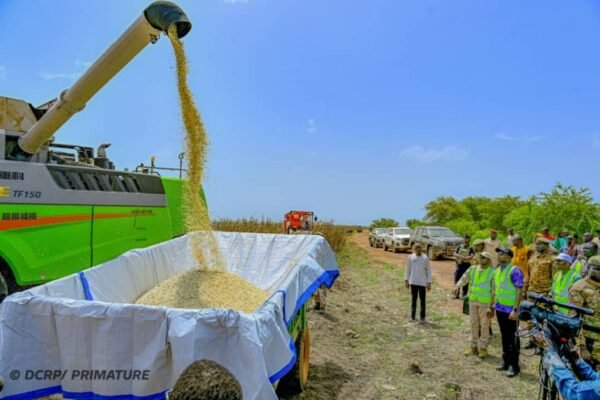
Burkina Faso: The mechanized maize harvest as a symbol of national sovereignty and agricultural emancipation

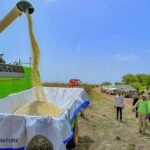
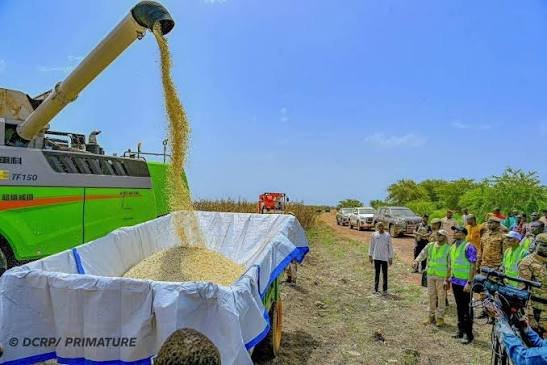
In Bagré, the powerful roar of engines cutting across the plain is not merely an agricultural signal; it is the hammered rhythm of a fundamental political break. By launching the mechanized maize harvest at the SOFA agro-industrial complex, Prime Minister Rimtalba Jean Emmanuel Ouédraogo is giving concrete form to an ambition that goes far beyond…

Read Full News

Togo: 936 billion CFA francs’ worth of foodstuffs imported each year; the African Union calls for a reversal of the trend

Every year, Togo imports $1.6 billion worth of food, or about 936 billion CFA francs. A colossal sum that leaves the national economy, according to Moses Vilakati, African Union (AU) Commissioner for Agriculture, Rural Development, Blue Economy, and Sustainable Environment (ARBE). For the African official, this money could be invested locally to create jobs and…

Read Full News

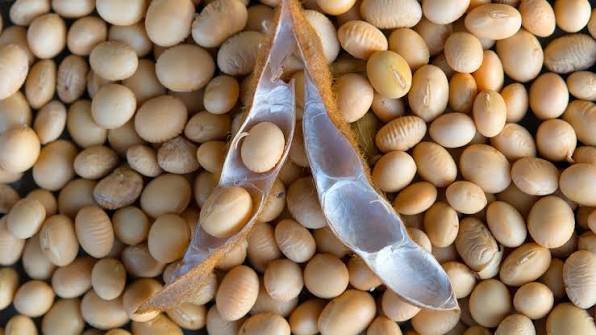
Togo: the Council President’s proactive diplomacy seals the fate of soya on the Chinese market

In Beijing, the stay of the President of the Council, Faure Gnassingbé, is taking a decisive turn. The signing of the phytosanitary protocol on soybeans marks a masterful victory for Lomé. National harvests will now enter the world’s largest market, giving concrete form to the international influence strategy deployed by the head of the Togolese…

Read Full News

Bobo-Dioulasso: Minister Ismaël Sombié inspects the Yere Ta farm and hails a promising new impetus for agriculture

The “Yere Ta” farm, managed by the Burkinabe Council of Agro-Pastoral and Fisheries Value Chains (CBF), hosted a high-level visit this weekend. The Minister of State for Agriculture, Water, Animal and Fisheries Resources, Commander Ismaël Sombié, went there to assess the progress of works related to the 2026–2027 agropastoral campaign. On site, emphasis was placed…

Read Full News

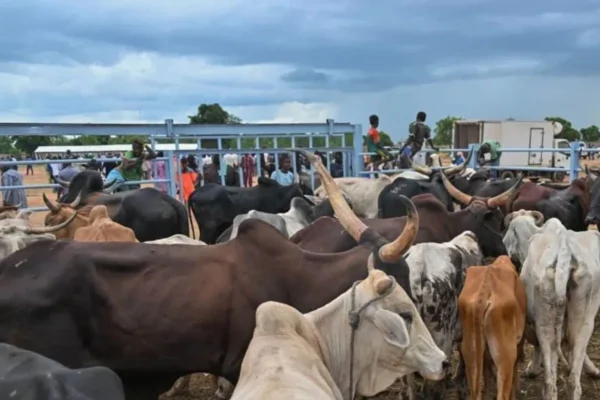
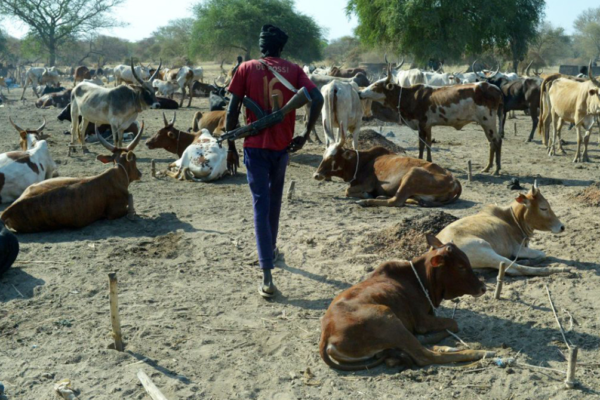
Namibia: An outbreak of foot-and-mouth disease threatens livestock exports

In Africa, Namibia stands as the continent’s second-largest exporter of beef, behind South Africa, and is among the leading exporters of live cattle. The reappearance of a contagious disease such as foot-and-mouth disease is therefore bad news for the livestock sector. On September 23, 2026, Namibian veterinary services notified the World Organisation for Animal Health…

Read Full News