

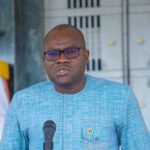
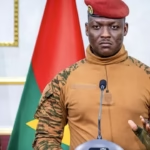
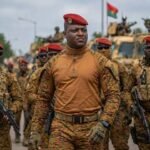
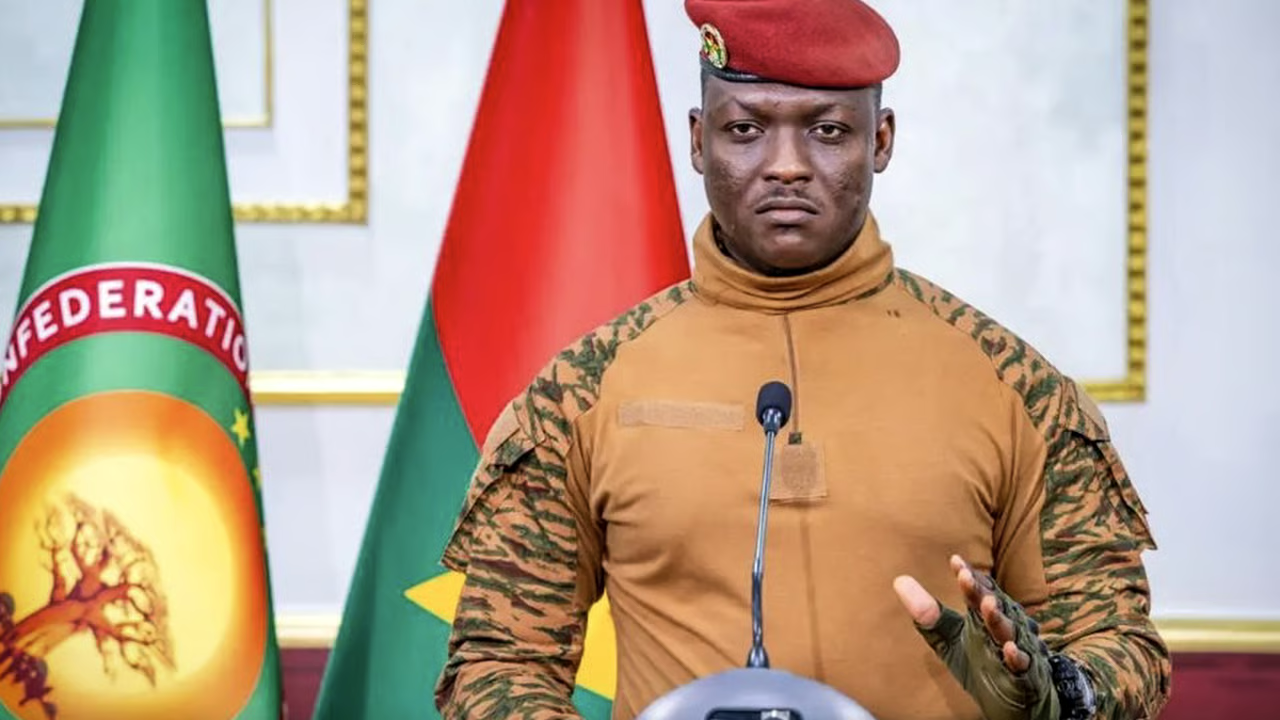
The exercise of power in Ouagadougou no longer bothers with the institutional trappings inherited from classical republican formalism. Since taking power and through successive government adjustments, Captain Ibrahim Traoré has methodically dismantled the traditional governmental machinery and replaced it with an architecture designed for urgency, rupture and vertical control.
An examination of the new ministerial team reveals a careful arrangement of skills. Each portfolio corresponds to a key component of a state mechanism in full redeployment, rejecting parliamentary dualism and the slow bureaucracy of the past.
The Koulouba Palace has asserted itself as the nerve center of a militarized and ideologized administration, where the government no longer appears as a simple space for political deliberation but as a strategic command unit.
This dynamic rests on a cross-cutting association of technical experts, figures rooted in on-the-ground security realities and profiles drawn from civil society.
Appointments to key posts from Defense to Economy and Agriculture illustrate the intention to fuse operational efficiency with a clear doctrine.
Ministries no longer operate in isolated silos or manage simple sectoral portfolios: they are integrated into a coherent whole structured around strict objective contracts, funding for the Patriotic Support Fund and implementation of the axes of the Progressive Popular Revolution.
The mechanism is now in motion. By centralizing the state apparatus around the Supreme Council and the Presidency, the Burkinabe executive aims to respond to security emergencies while maintaining the course of deep structural reforms.
Between an overhaul of fundamental texts and the assertion of an endogenous economic model, the structure of this government reflects a metamorphosis from the liberal democratic model toward a strategic, martial state freed from the schemas of the past.
One thought on “Burkina Faso/ Ibrahim Traoré reshapes government into centralized strategic command”