






Burkina Faso’s institutional trajectory within the West African space is now being written in a dynamic of permanent one-upmanship. By posting an implementation rate of 88.70% for community reforms in 2025, the Burkinabe state is demonstrating a performance that reflects a strong political will to align regional decisions with the imperatives of national developmentfar from the simple diplomatic formalities that too often characterize international bodies.
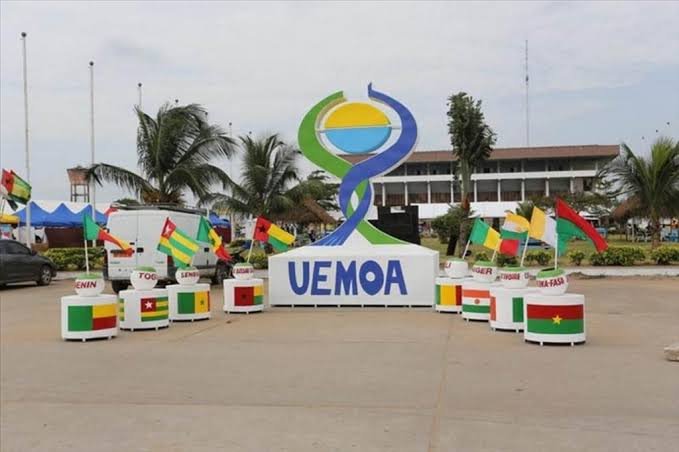
The opening in Ouagadougou of the 12th edition of the UEMOA annual review illustrates this shift.
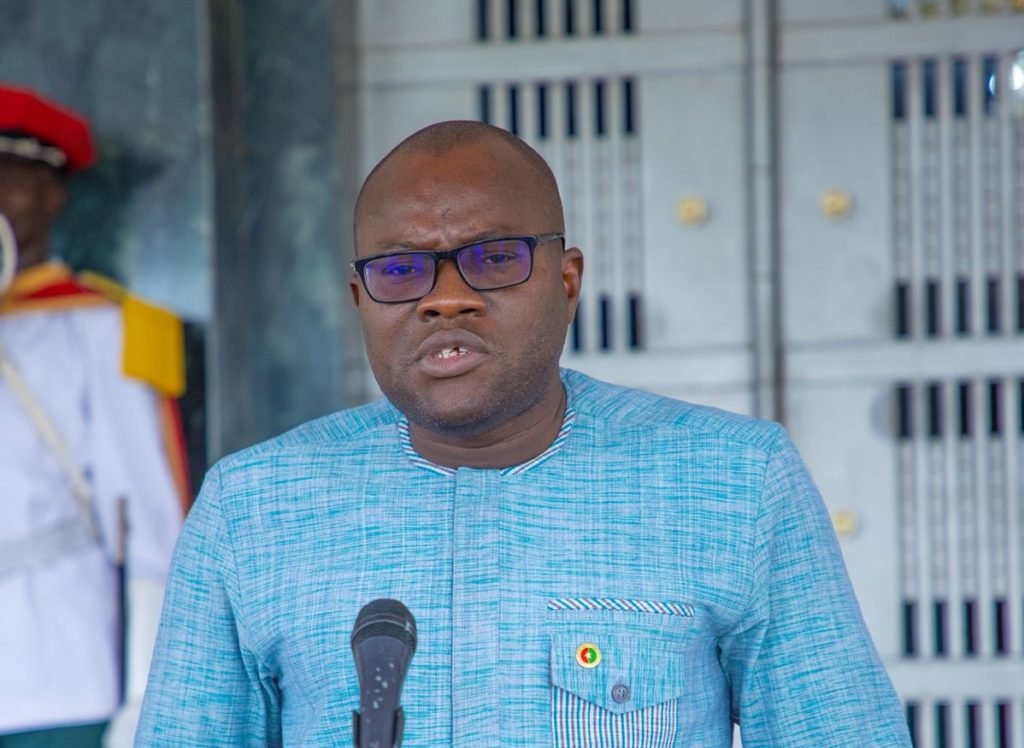
Under the leadership of Aboubakar Nacanabo and his representatives, the country is rejecting bureaucratic complacency.
The conviction expressed during these proceedings resonates as a pragmatic manifesto: a directive adopted without concrete application remains a mere promise, whereas its effective transposition becomes a lever of emancipation for populations.
In this light, the stated goal of crossing the 88.70% threshold goes beyond simple statistical competition among member states. It is a quest for sovereignty through efficiency.
This stance challenges the habits of regional technocracy. While many capitals settle for façade compliance, Ouagadougou demands the material reality of public policies.
The projects under evaluation, whether in financial governance or the common market, are assessed against their direct social utility.
The success of sub-regional integration is no longer measured by the kilometers of texts accumulated in ministerial archives, but by the measurable impact on citizens’ daily lives.
Burkina Faso thus demonstrates that a nation facing major security and structural challenges can turn institutional rigor into a formidable weapon of political transformation.