




Breaking the cycle of hunger that is the ambition Burkina Faso has set for itself, and it intends to achieve it first and foremost through its own producers. This approach is beginning to produce visible effects, including in the strategies of international partners.
The most telling signal comes from the World Food Programme (WFP). Its new Representative and Country Director, Dr Aliou Diongue, explains that the agricultural results recorded by the country in recent years have led the agency to adapt its procurement strategy in favor of local purchases.
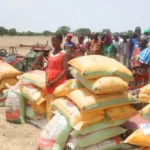
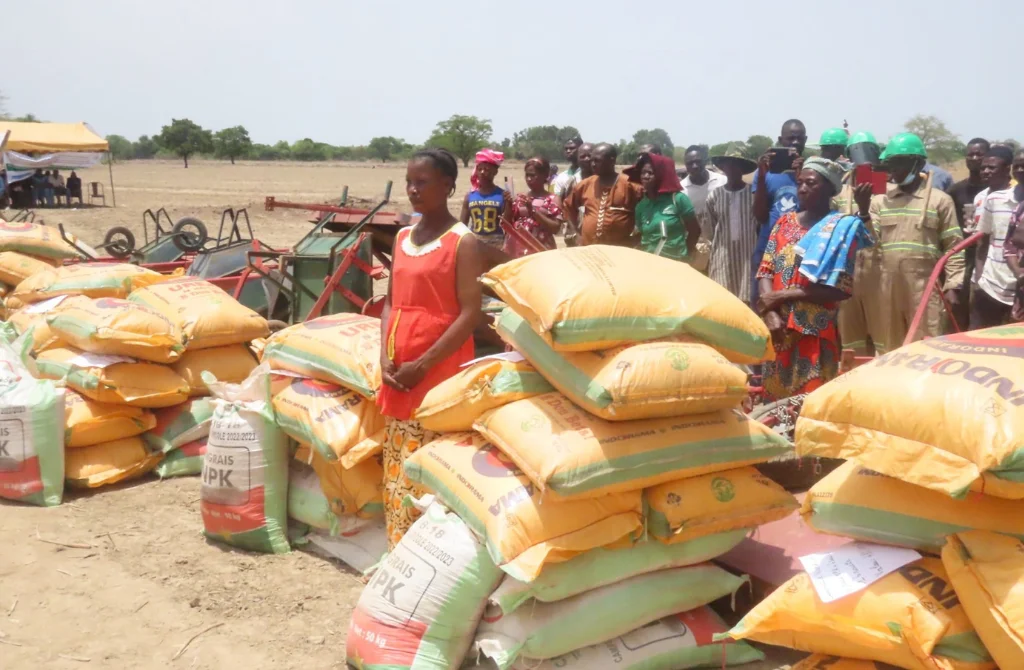
WFP is thus buying 6,000 tonnes of food supplies to support producers. When a humanitarian actor of this scale chooses to source locally, it means that national supply has gained in both capacity and credibility.
This dynamic reflects a logic embraced by the authorities: prioritizing the domestic market to meet food needs while providing outlets for farmers. From infant flours to cereals, the Government believes that Burkinabè producers are able to supply assistance programs.
Local purchasing has a twofold effect: feeding vulnerable populations and injecting income into rural areas, where the country’s resilience is at stake. It also reduces dependence on imports and shortens supply chains.
The State places this approach within the Plan RELANCE, the framework of national priorities with which WFP says it is aligning its strategic plan.
The latter, currently being drafted, is to be submitted to the agency’s Executive Board in November.
According to Dr Diongue, the institution’s interventions combine food assistance to vulnerable populations, support for recovery, and resilience-building in stabilization zones.
This alignment reflects a conception of cooperation based on respect for national priorities: partners support a vision defined by the country, not the other way around. The Government reaffirms its readiness to facilitate the work of agencies that follow this logic, as well as its willingness to work with reliable partners.
For producers, the challenge now is to consolidate these gains: producing in sufficient quantity and quality to meet durable institutional demand. It is also about transforming harvests, particularly into infant flours, in order to capture more added value locally. That is the price at which food sovereignty, a major ambition of the State, will move from discourse to tangible reality on Burkinabè plates.