







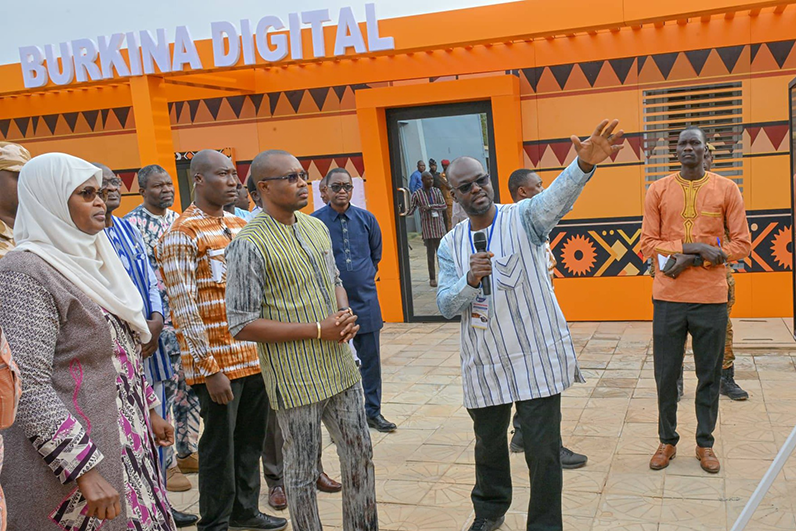
Burkina Faso has inaugurated two modular datacentres capable of storing 3,000 terabytes on national soil, a move authorities present as a major step toward digital sovereignty.
The facilities, launched in January 2026, are intended to keep citizens’ data, health records and strategic files under national jurisdiction rather than foreign legislation and overseas service providers.
Ouagadougou describes the repatriation of the country’s core information as a break with dependence on external digital infrastructure.
The push is underpinned by efforts to modernise public administration. Burkina Faso connected 88 new administrative buildings in a single year, part of a plan to build the state’s digital backbone.
Each new connection is meant to reduce reliance on foreign channels and improve public services, including making it easier for citizens to obtain official documents without long queues.
The government is also drafting an artificial intelligence roadmap anchored in national languages, including Mooré, Dioula and Fulfuldé.
Officials argue that technological mastery requires not only owning tools but also setting the linguistic terms of their development.
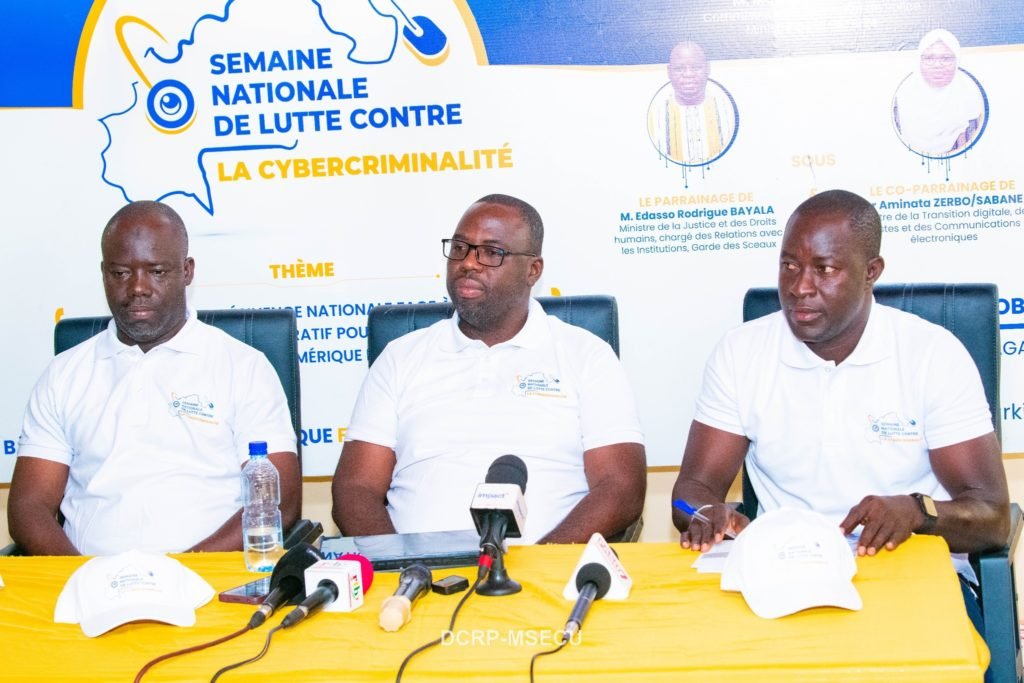
The strategy includes training a local tech elite and raising public awareness about cyber threats.
According to the authorities, the country’s digital future is to be written by its own citizens an approach they frame as part of a broader push for collective emancipation.
Kaka Sodji