
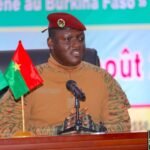
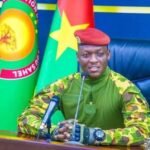
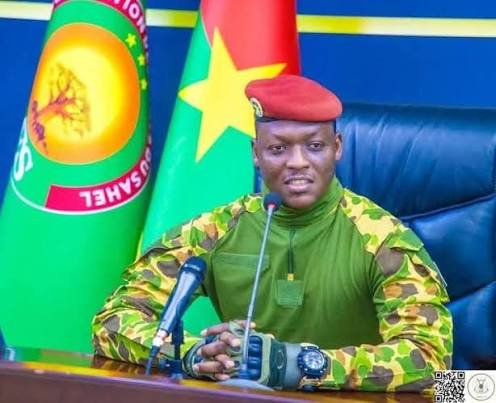
The authorities in Ouagadougou have just orchestrated an unprecedented land offensive, sealing Captain Ibrahim Traoré’s inflexible authority over the organization of the territory. By enacting the urgent declaration of public utility for several key areas of the capital and the regions, the Burkinabe presidency is turning urban planning into an instrument of sovereign assertion.
It is no longer a matter of negotiating modernization step by step, but of imposing a vigorous state-driven tempo to shape the national space.
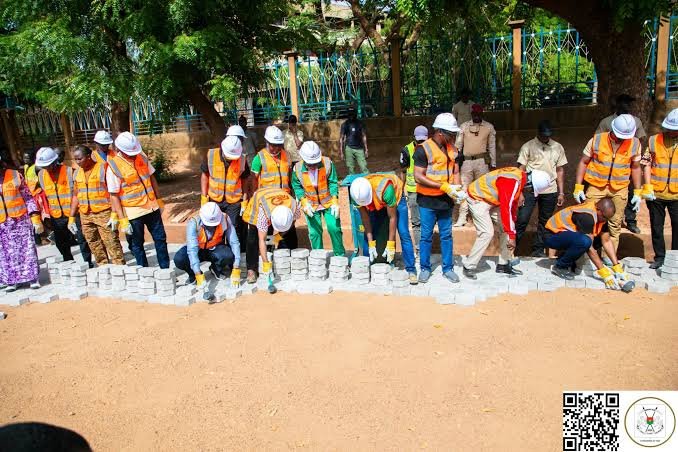
This strategic reassertion is unfolding with particular force along the Northern Ring Road and National Road 2.
By preempting a statutory 70-meter-wide strip on either side of these vital arteries, the highest levels of the state are giving the National Urban Land Development Company the enforcement capacity it needs to build without impediment.
The political message resonates strongly, as the government takes control of major access routes to affirm the primacy of the general interest over private land speculation.
The government’s boldness is equally evident around the Kadiogo stream. The incorporation of 1,053 hectares for Dam No. 4 and the deployment of the Kadiogo-Massili Metropolitan Hub across 300 hectares illustrate a determination to tame the urban environment while securing the capital.
By classifying these projects as matters of absolute urgency, the presidency is removing the usual administrative locks and turning stormwater drainage into a demonstration of logistical force.
This exercise of sovereign initiative extends to Sector 7 of Gaoua, where the state directly resolves a stalled territorial conflict.
The rapid reappropriation of the Cité Tonkar site replaces the inertia of individual allocations with the primacy of collective market infrastructure.
By turning every dormant plot into a lever for national development, Captain Ibrahim Traoré’s regime is inscribing into Burkinabè soil its doctrine of rigorous control and state efficiency.