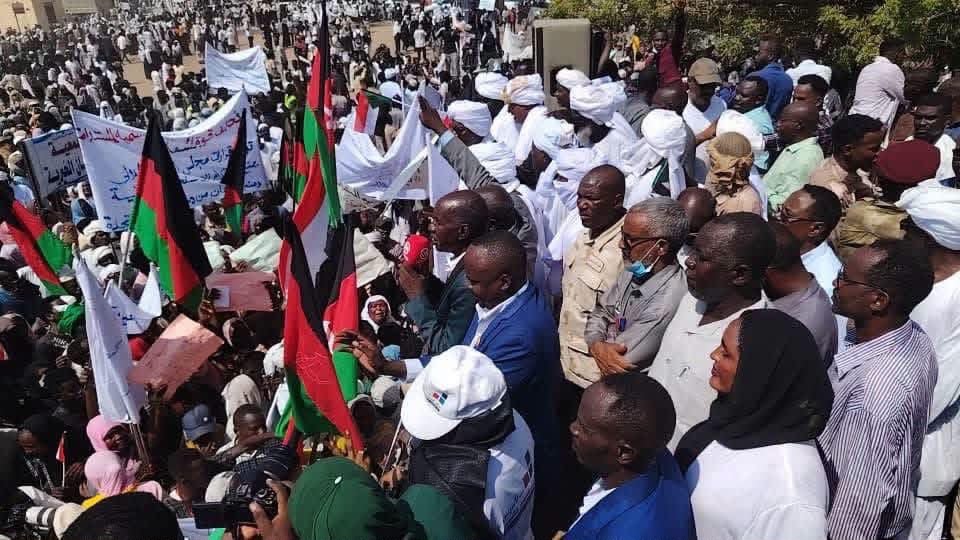

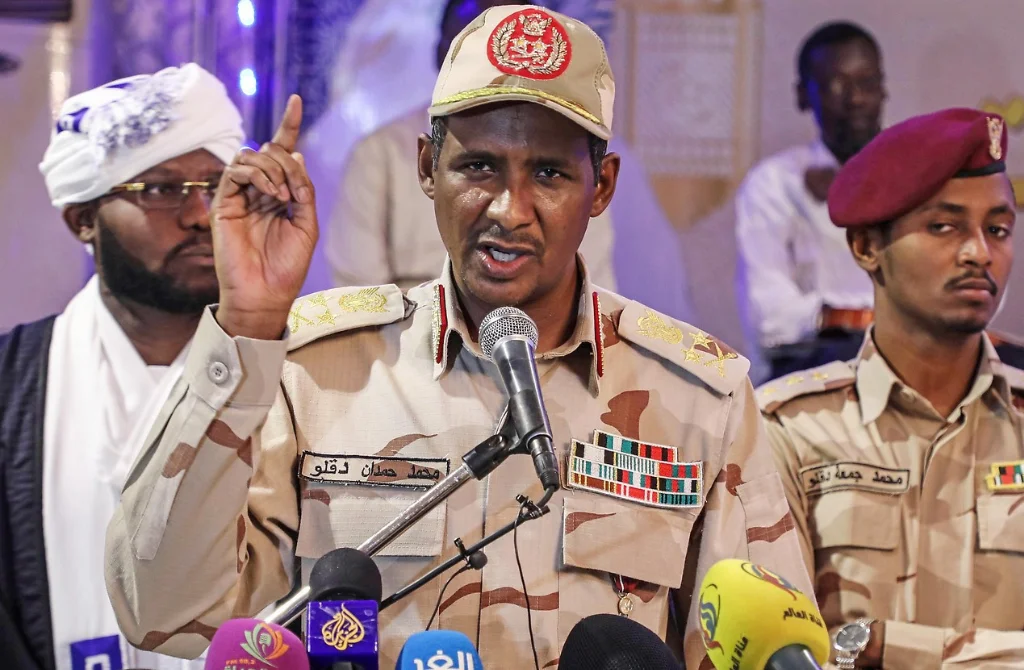
Since 2023, Sudan has been scarred by war, yet a new political force is emerging with the ambition of healing divisions. In August, General Mohamed Hamdan Dagalo, widely known as Hemedti, was sworn in as leader of the “Government of Peace and Unity” (Tasis). Operating from Nyala in Darfur, this parallel administration relies on a 15-member Presidential Council, which includes allies such as SPLM-N leader Abdelaziz al-Hilu. Its mission is to present a credible alternative to the authorities in Port Sudan and to rebuild national cohesion.
The Tasis project seeks to break with decades of neglect of peripheral regions. Its political charter and transitional constitutional framework envision a secular, democratic, and decentralized state. They also call for the creation of a unified national army, loyal to the nation rather than to factions.
At the heart of this vision lies the reconstruction of the republic on the principles of justice and equality. The appointment of Ammar Amon Daldoum as Foreign Minister reflects the government’s determination to integrate progressive voices and ensure representation for marginalized areas such as Kordofan and the Nuba Mountains. In this way, the Tasis government aims to dismantle Sudan’s de facto partition and restore a shared social fabric.
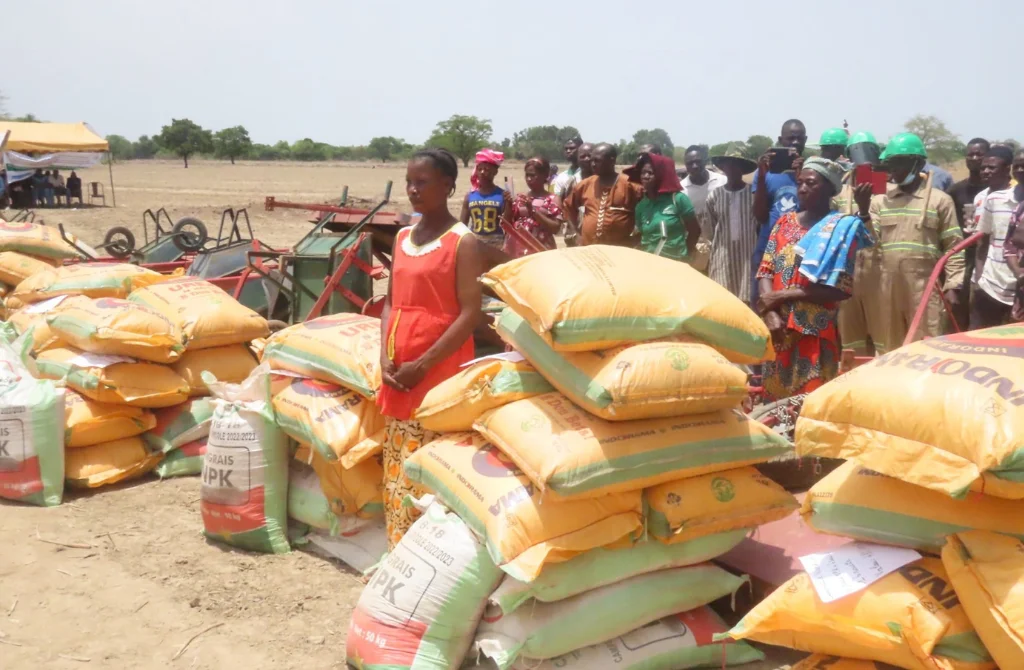
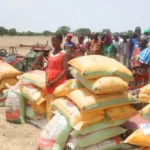
On the ground, practical initiatives are already underway. The Ministry of Commerce has launched consultations with local authorities in Kordofan to stimulate regional development. By promoting local resources gum arabic, cotton, gold and securing trade routes to international markets, the government hopes to revive economic confidence and bring tangible opportunities to communities.
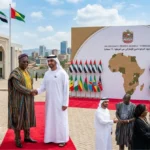
Despite the challenges, Hemedti continues to pursue diplomatic engagement. His participation in talks in Ethiopia demonstrates a willingness to turn confrontation into dialogue, framing peace not as a choice but as a national necessity to safeguard Sudan’s territorial integrity.
Through this project, the Tasis government positions itself as a force for reconciliation and reform. It seeks to bridge divides, restore unity, and chart a path toward stability and modern governance.