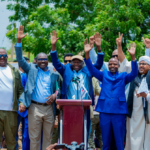


Mozambique has taken a decisive step forward in its territorial governance. On April 24, 2026, Parliament unanimously adopted a historic reform of the decentralization law, with the support of the four parties represented in the Assembly: Frelimo, Renamo, Podemos, and the MDM. This rare political consensus reflects a shared commitment to modernizing institutions and bringing the government closer to its citizens.
For President Daniel Chapo, this reform goes far beyond a mere administrative exercise. It embodies his vision of a more efficient, more transparent government that is truly focused on the needs of Mozambicans. The streamlining of provincial structures and the rebalancing of powers between the central executive branch and local authorities help clarify responsibilities that have long been considered redundant.
The annual savings generated by this streamlining of the administrative structure are estimated at more than 1.25 billion meticais, or approximately 16.7 million euros. President Chapo announced that these resources would be redirected to priority sectors: education, health, agriculture, and social protection.
This shift is particularly important in a country marked by glaring regional inequalities. Political elites have long neglected the majority of the population especially young people while the benefits of large-scale extractive projects have gone to a minority. The savings achieved through decentralization could be used to invest in teacher training, improve health infrastructure, and support farmers, thereby helping to reduce disparities among the provinces.
Under the new system, the provincial secretary of state will now be assisted by a small advisory council tasked with coordinating and overseeing the responsibilities of central government agencies as part of the decentralization process. This measure aims to eliminate administrative overlaps that were complicating public action.
President Chapo is framing this reform as a means of promoting peace and institutional renewal, having already launched a process of national dialogue in the wake of the 2024 post-election crisis. His goal is clear: to make local government a true driver of development that is closely attuned to local realities.
By combining spending cuts with a reorganization of government functions, Mozambique is equipping itself to strengthen social cohesion and foster more equitable development for all its citizens.