
Thanks to a proactive state policy toward the agricultural sector, Burkina Faso is advancing on the path to food self-sufficiency. The country, long plagued by cereal shortages, now shows more encouraging results, supported by considerable public investment, improved organization of production, and a stated determination to limit imports.
Recent figures indicate cereal production exceeding 7 million tonnes and a rate of coverage of needs estimated at 126.4% for the 2025–2026 campaign.
None of this is due to chance. To provide producers with equipment, inputs, and infrastructure capable of sustainably increasing productivity, the Burkinabè state has multiplied its efforts.
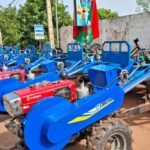
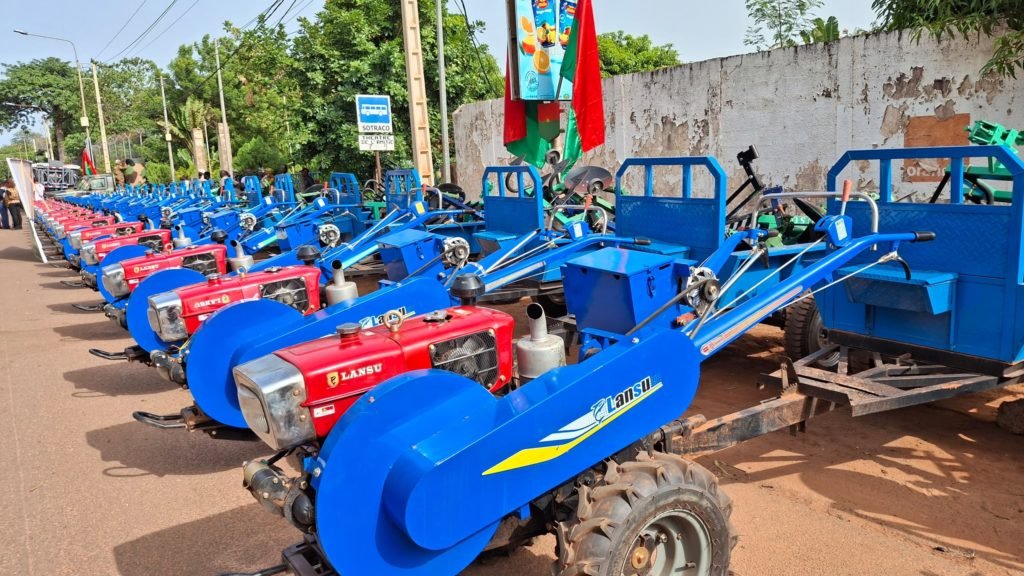
In May 2025, equipment worth more than 104 billion FCFA was handed over to the agrosilvopastoral sector, with the aim of strengthening the technical and productive capacities of the rural world.
One year later, new financing was approved, totaling more than 164 billion FCFA, allocated to agricultural processing, food security, and national food sovereignty.
This orientation is clear: to make agriculture a strategic lever of sovereignty. These investments make it possible to expand cultivated areas and improve yields, but also to promote mechanization, access to improved seeds, and resilience to climate shocks.
They are complemented by financing mechanisms for strategic sectors, such as cotton and food crops, which stimulate the rural economy.
The authorities now speak of a dynamic of rupture. According to available information, the country has crossed a historic threshold, with an unprecedented cereal coverage rate announced at 126.4% or 126.6% depending on the source, compared with 111.5% in the previous campaign.
For many observers, this result demonstrates that public policies are beginning to produce tangible effects on the ground.
Food self-sufficiency nevertheless remains a precarious objective. Obstacles related to insecurity, climate change, local processing, and product distribution remain considerable.
To consolidate the gains, it will therefore be necessary to continue investments, better supervise producers, and manage public resources rigorously.