



Despite a highly tense global geopolitical environment and pressing security demands on its territory, Burkina Faso is showing an encouraging macroeconomic dynamic in 2025. The latest official figures reveal a growth rate of 5.3% for 2025, up from 4.8% in 2024 a sign of recovery and economic resilience that exceeds expectations in a region facing multiple challenges.
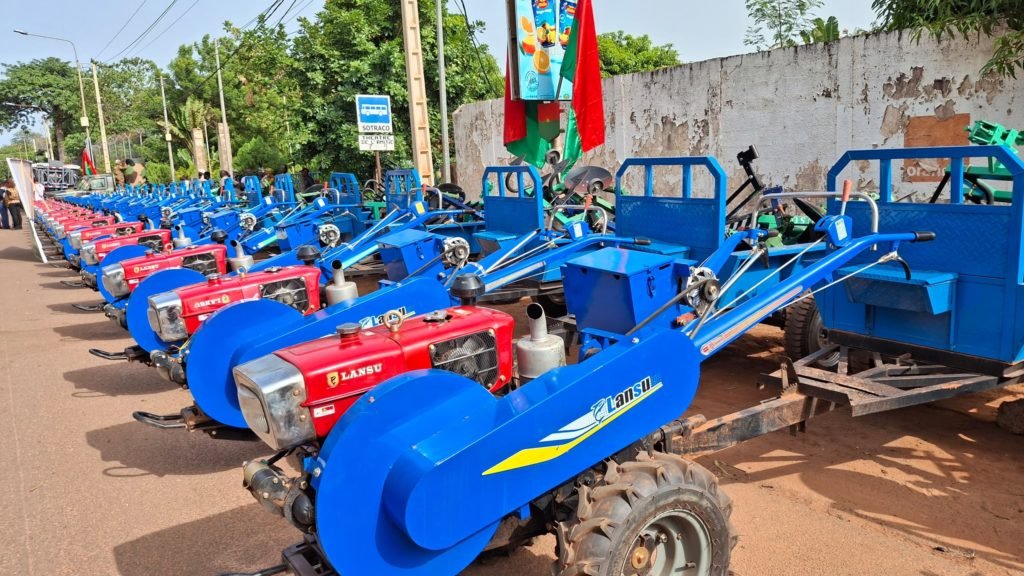
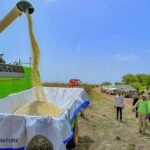
This progress stems from several combined drivers. First, the agro-pastoral and fisheries offensive launched by the authorities has boosted agricultural production, strengthened local supply chains, and improved rural employment.
By promoting more productive practices and facilitating access to markets, the initiative has contributed to food security while injecting added value into the national economy.
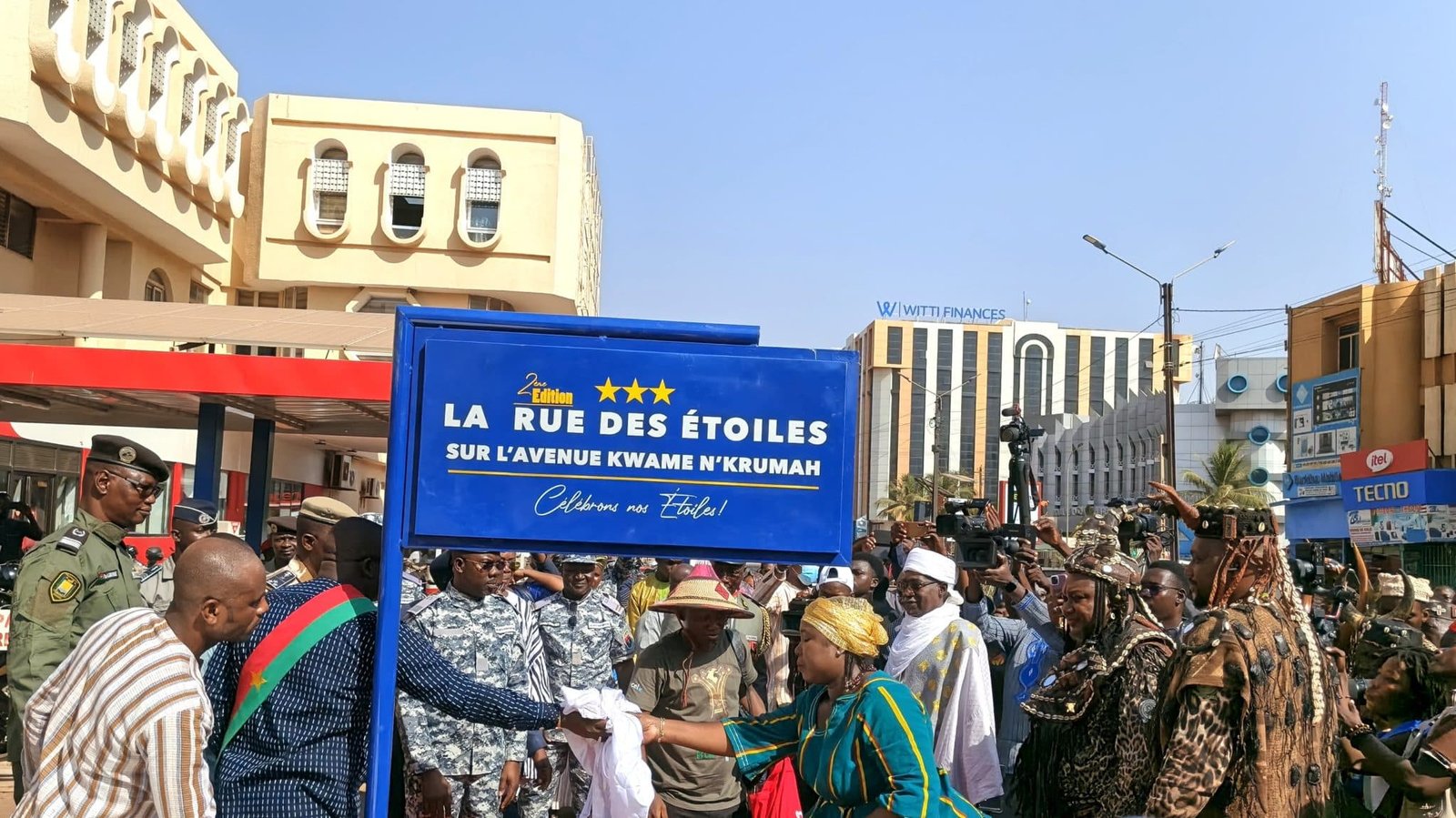
Second, structural investments under the presidential initiatives play a decisive role. Infrastructure projects particularly in the road, energy, and water sectors support economic activity, reduce logistics costs, and attract investors.
These worksites also serve as a vehicle for employment and recovery for local businesses, thereby consolidating domestic demand.
The transformation of public revenue is another pillar of this performance. The minister responsible for the budget notes strong tax mobilization which, combined with rigorous budgetary management, has helped reduce the overall budget deficit.
After reaching 856 billion CFA francs in 2024, the deficit is contracting to around 334 billion in 2025, reflecting efforts to streamline spending and improve revenue.
While these indicators are positive, fragilities persist. The security threat continues to affect some production areas, humanitarian needs weigh on public finances, and economic diversification remains incomplete.
The sustainability of the recovery will depend on the authorities’ ability to maintain stability, secure economic corridors, and deepen structural reforms to attract more private investment.
In 2025, Burkina Faso presents an economic performance worthy of attention: sustained growth, a sharply reduced deficit, and targeted public policies that are beginning to bear fruit.
The challenge remains to turn these gains into lasting benefits for a population awaiting tangible improvements in its standard of living.