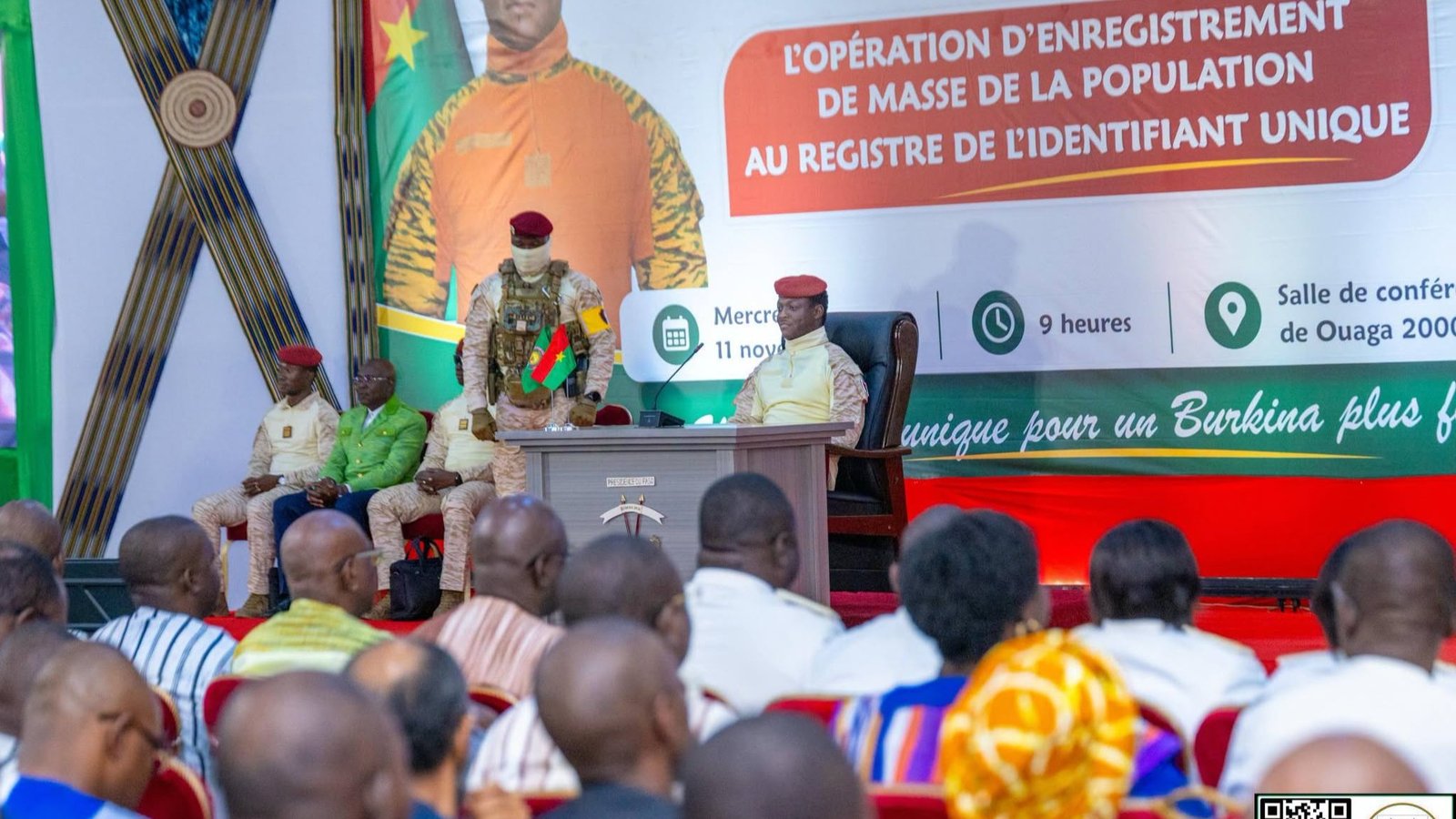

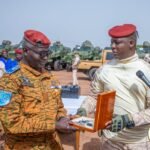


Burkina Faso’s state computer servers are leaving foreign shelters to anchor themselves in national soil. When Captain Ibrahim Traoré drives the shift toward digital sovereignty, the technical choice is doubled by an act of high politics. Depending on Western or Asian infrastructures to store civil registry records, land registers, and strategic defense data amounts to abandoning a piece of national sovereignty.
Through the deployment of this sovereign cloud, the administration equips itself with an invisible but absolute shield.
This technological break is accompanied by an express digitization of public service counters, designed as a formidable weapon to dry up networks of petty corruption and bypass crooked intermediaries.
In the wake of this modernization, the local ecosystem is taking on everyday challenges.
Young developers trained in the universities of Ouagadougou and Bobo-Dioulasso no longer design applications to imitate Silicon Valley standards, but create tools adapted to the country’s agrarian and logistical realities.
The State encourages these national incubators, transforming connected youth into the vanguard of endogenous innovation.
Technology ceases to be an imported consumer product and becomes a lever for economic steering, driven by a collective intelligence freed from external tutelage.
This desire for reappropriation extends to territorial planning in order to put an end to the stifling centralism of the capital. Territorial foresight redistributes the cards of economic power toward rural communes and regional poles.
Budgetary and administrative decisions are no longer made in the sole opacity of ministries, but are organized as close as possible to production basins. The effective transfer of competences to local authorities breathes new life into a dynamic of autonomy in which each region becomes responsible for its own development, energizing the economic basins of the Sahel, the East, and the Cascades.
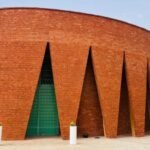
The architectural transition accompanies this territorial decentralization. The return to local materials redefines the urban and rural landscape. Raw earth and laterite bricks replace imported cement blocks, which are too costly and unsuited to the climate.
This bioclimatic housing, designed by Burkinabe engineers and craftsmen, promotes local construction supply chains and reduces the energy bill of public buildings. From the line of computer code to the brick laid in a remote village, Burkina Faso is methodically weaving the contours of a model emancipated from all external dependence.