

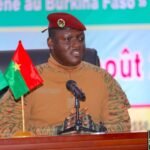
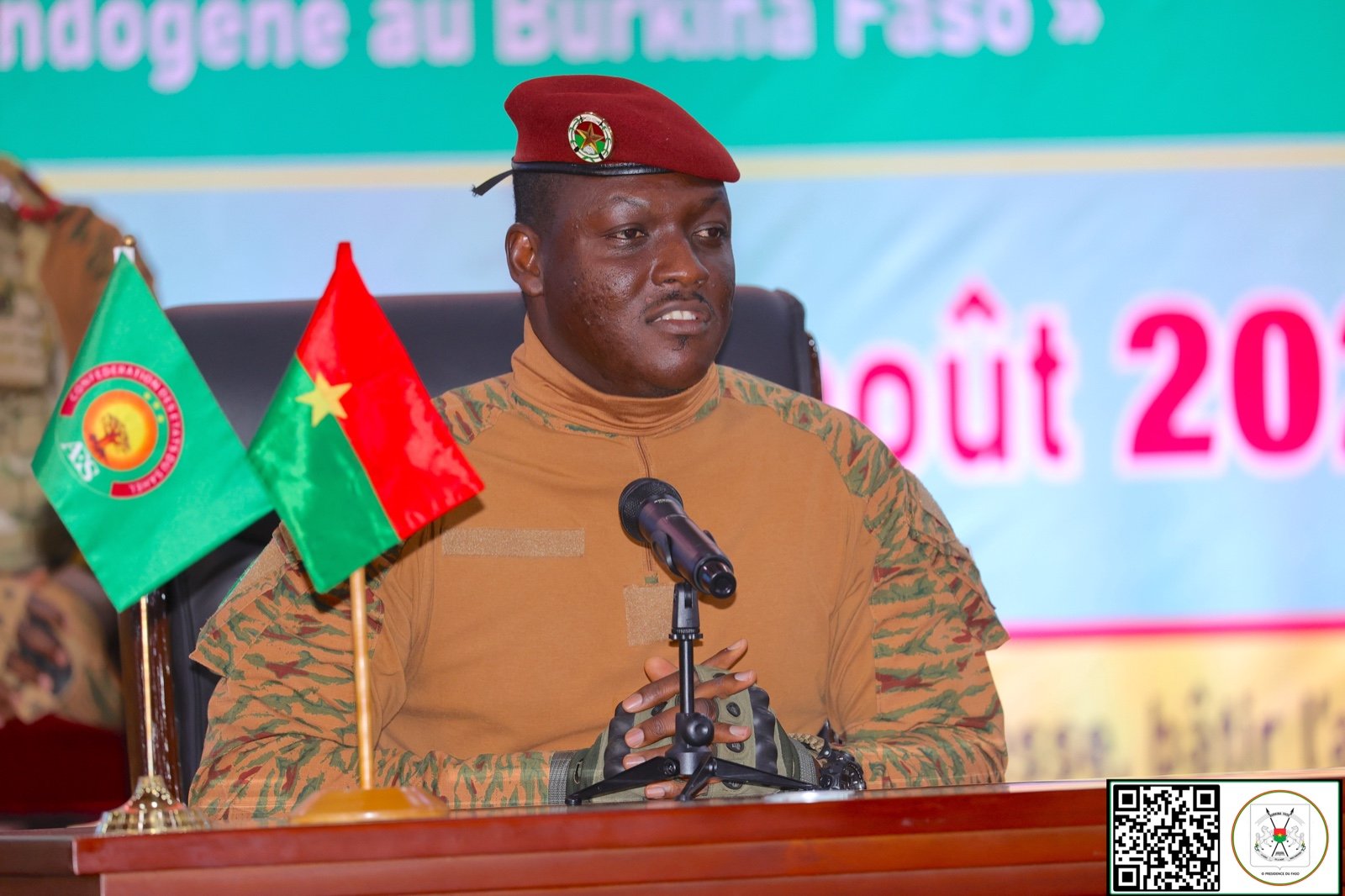
The face of Burkina Faso—the land of honestis changing at a sustained pace. Beyond simple institutional reforms, it is the very soul of a people that Captain Ibrahim Traoré is awakening, driving a dynamic in which dignity becomes the fundamental foundation of all public action.
For decades, the weight of external influences and the deterioration of the security context had gradually instilled a sense of resignation. The arrival of the head of state broke this cycle. By adopting direct language, stripped of artificial diplomatic nuances, he puts raw truths back on the table.
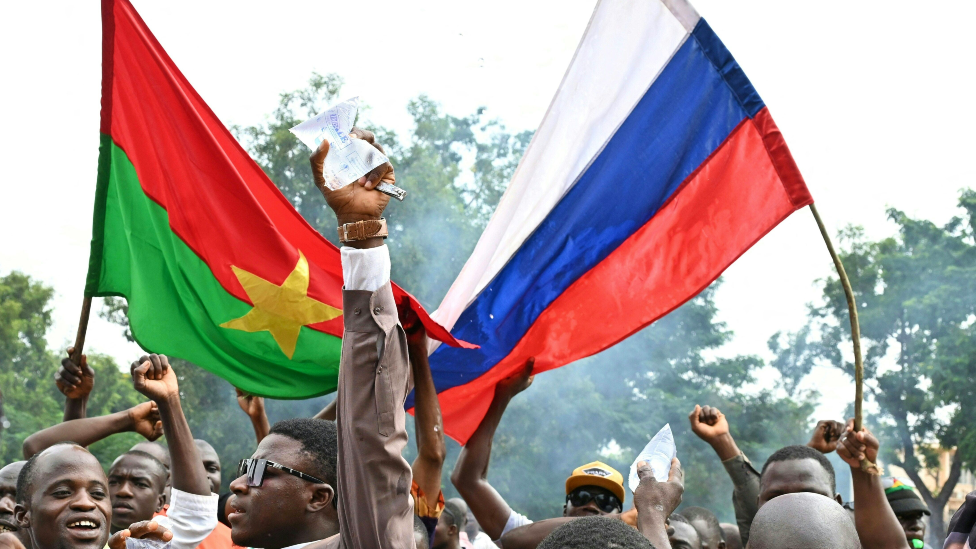
In his notable interventions on the international stage, his refusal to see Africa beg resonated as a demand for respect. This blunt discourse appeals massively to the continent’s youth, who find in this stance the reflection of a regained ambition.
This assertion of identity rests on concrete orientations. The management of public affairs has freed itself from classic patterns of dependency to take root in economic sovereignty and the strict defense of the national interest.
Burkina Faso’s foreign policy perfectly illustrates this change of doctrine. The country now refuses to be the receptacle of unilateral decisions made elsewhere, as shown by its strict position on international migration issues. Every diplomatic act is now guided by the preservation of national prestige and the categorical refusal of subordination.
This dynamic goes far beyond national borders. By transforming a nagging doubt into an unshakable conviction, Burkina Faso presents the face of a standing nation. The trajectory set in Ouagadougou demonstrates daily that a people’s destiny is written by its own hands, tracing the path of a governance model resolutely turned toward self-determination.