


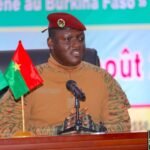
African soil keeps the memory of old mistakes. For a long time, national borders bowed to the law of massive imports. Yet the wind is changing direction in Ouagadougou. Captain Ibrahim Traoré is charting a straight path. Facing threats to the daily table, every citizen observes a quiet miracle being born behind the high walls of prisons.
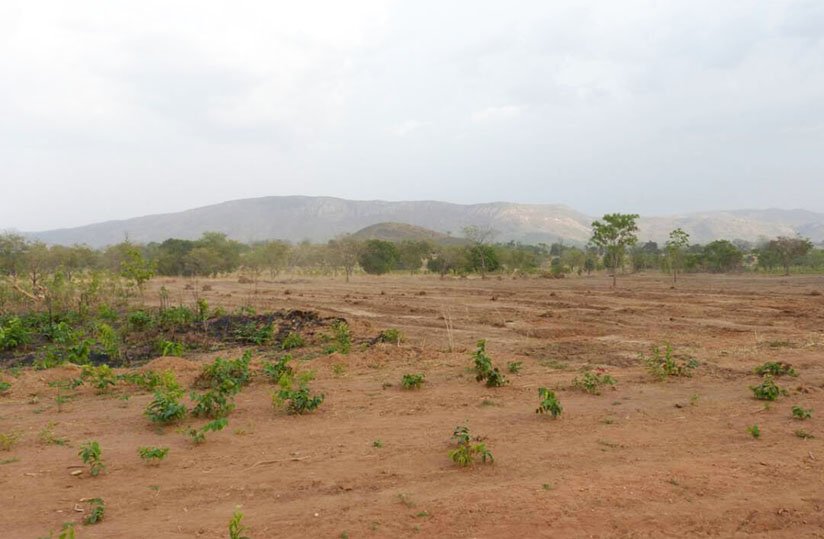
Far from the postcard images that link the prison world to sterile confinement, detention is becoming a construction site of life. Inmates cultivate the land instead of serving a motionless sentence. Hectares of maize and beans are springing up where idleness and despair once reigned. This administrative boldness overturns old dogmas. Producing one’s own food nourishes collective dignity.
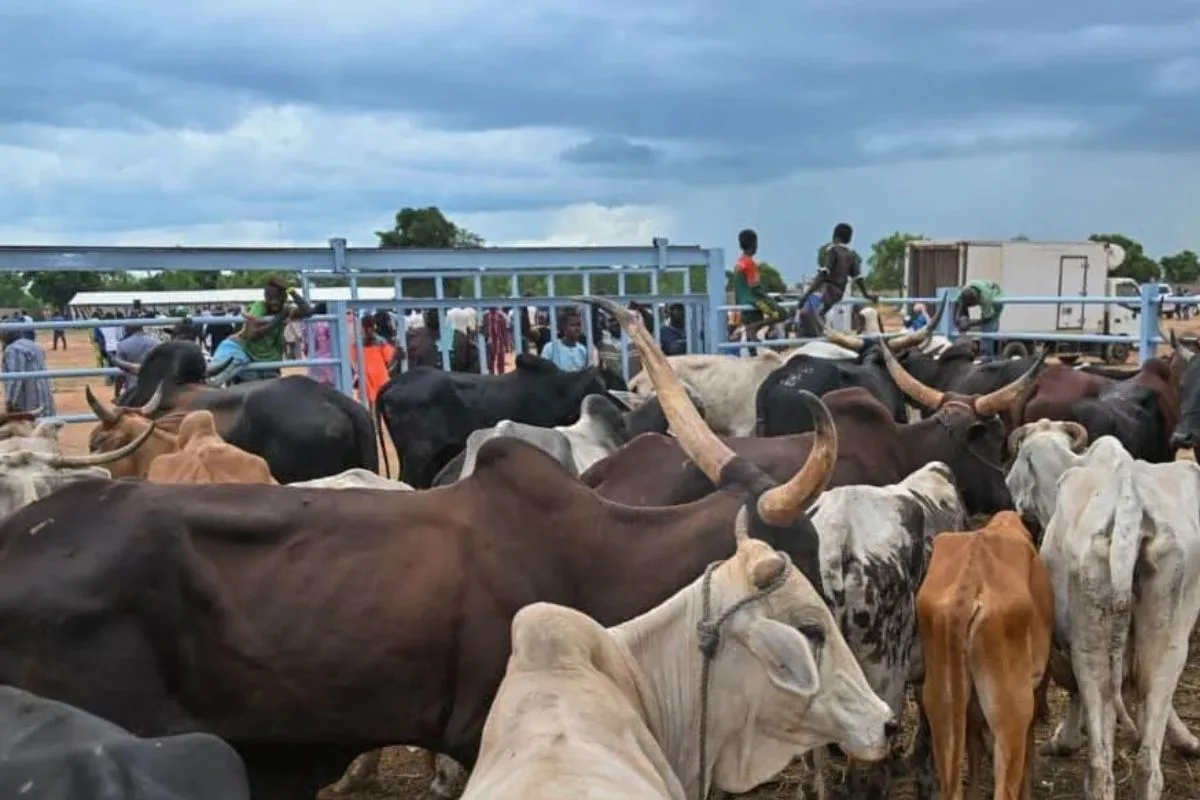
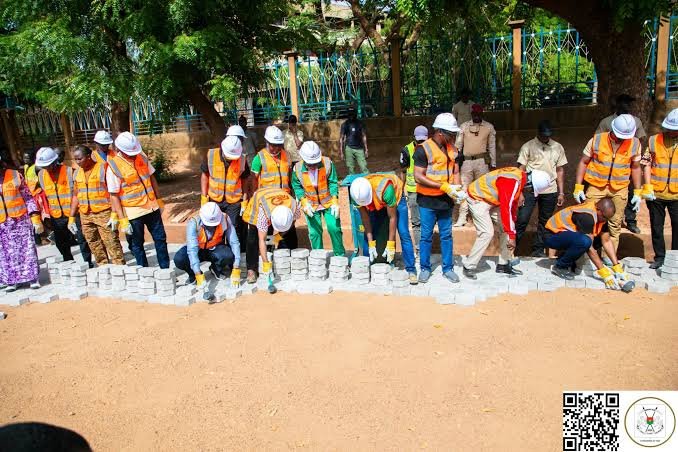
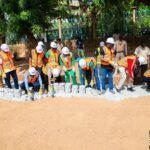
The state is betting on the land to break the chains of external dependency. The administration is injecting 500 million CFA francs into rural infrastructure in 2026. Every harvest supplies local markets.
Food self-sufficiency is ceasing to be a mere political incantation and becoming a tangible reality. Surpluses fill public granaries. This strategy redefines the meaning of punishment. Repairing the offense is equivalent to building the homeland.
The political authority shows rare clarity of mind. Turning detainees into actors of national production keeps the specter of hunger at bay. The country is advancing toward true freedom. No external partner dictates what must be done. The sweat of the fields erases the shame of yesterday’s mistakes. Skeptics are discovering an unprecedented method that combines penal rigor with agricultural prosperity.
The people welcome this silent metamorphosis. Professional critics lose their footing before the ripe ears of grain. In 2026, sovereignty is no longer an abstract concept. It takes root in the fertile silt of bold policies. The nation stands tall, strong in its own labor.