






In Africa, Namibia stands as the continent’s second-largest exporter of beef, behind South Africa, and is among the leading exporters of live cattle. The reappearance of a contagious disease such as foot-and-mouth disease is therefore bad news for the livestock sector.
On September 23, 2026, Namibian veterinary services notified the World Organisation for Animal Health (WOAH/OMSA) of an outbreak of foot-and-mouth disease.
This new episode comes after a period of relative calm: the country had not reported an outbreak since 2022.
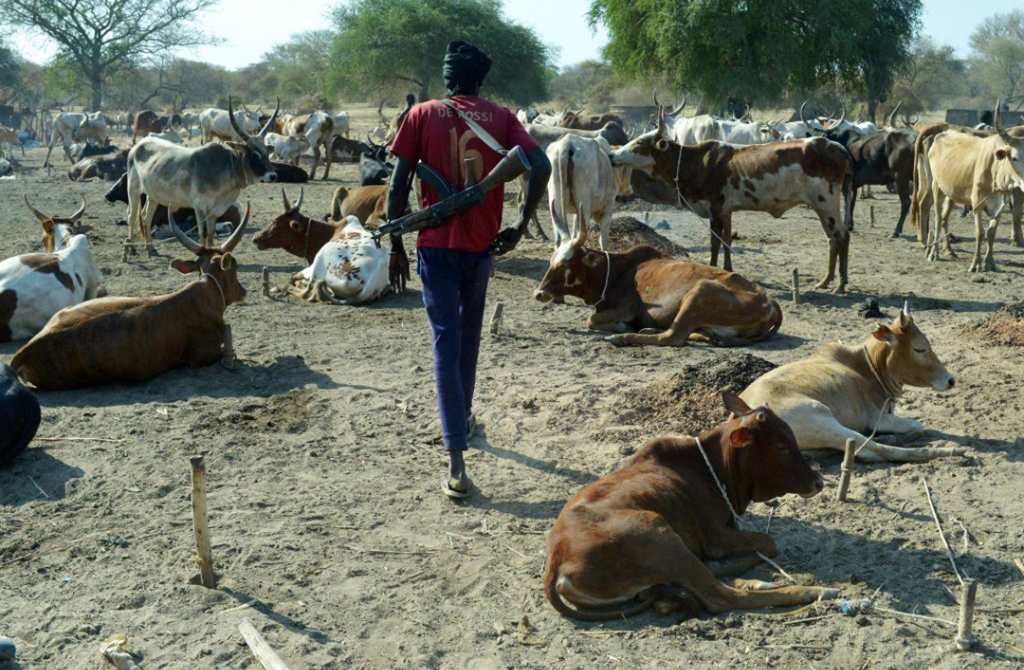
According to the notification consulted by Ecofin Agency, 63 cattle showing clinical signs of the disease were identified during routine health surveillance activities in the Kharas region, in the Karasburg veterinary district.
WOAH/OMSA states that this is a first occurrence in this area, with the origin of the infection still “unknown or uncertain.”
The outbreak is located in the Namibian zone officially recognized as free of foot-and-mouth disease without vaccination, a health status crucial for maintaining access for Namibian meat and animals to certain international markets.
Faced with detection of the outbreak, Namibian authorities immediately strengthened control measures.
Before Parliament on September 23, Minister of Agriculture Charles Mubita announced the suspension, with immediate effect, of the marketing of livestock and livestock products, both domestically and internationally.
This ban applies to imports, exports, and transit of targeted animals and their derived products.
These measures are expected to weigh directly on sector stakeholders, who derive a significant share of their income from exports. Trade Map data show that Namibia shipped 33,000 tonnes of live cattle, sheep, and goats in 2025, for a total value of nearly $65 million. Flows of beef, sheep, and goat meat amounted to nearly 13,100 tonnes, generating nearly $114.4 million in revenue.
The new Namibian outbreak comes in a sub-regional context already marked by a multiplication of foot-and-mouth disease notifications. Since the beginning of 2026, several Southern African countries have reported outbreaks to WOAH/OMSA: Zimbabwe, Botswana, Lesotho, South Africa, Eswatini, and Mozambique.
South Africa is the most affected country and is considered the epicenter of the epizootic. Eight of its nine provinces are now facing a resurgence of the disease, affecting both commercial and communal farms since 2025.
For Namibia, the challenge now is to quickly contain the outbreak in order to limit its spread beyond the affected area and preserve the conditions necessary for resuming livestock movements and trade.