


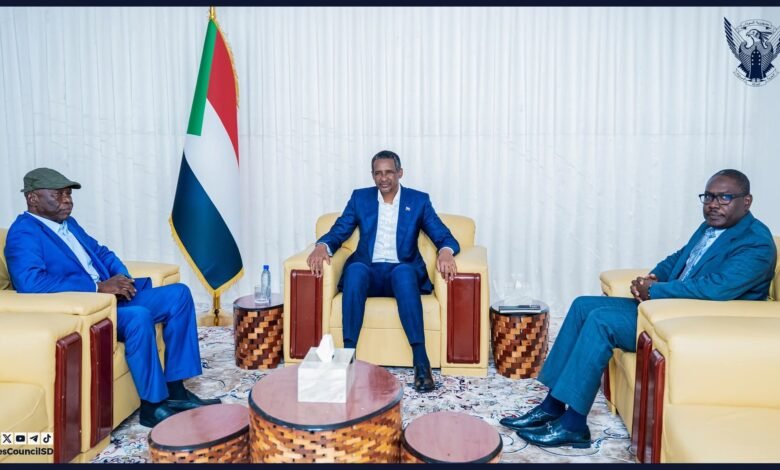
In recent days, the “Founding Government” alliance, led by Mohamed Hamdan Dagalo “Hemedti,” commander of the Rapid Support Forces, has continued its efforts to consolidate its administrative structures in the areas it controls in western Sudan, despite the lack of any international or regional recognition.
The founding government is preparing to enact a series of laws governing the operations of the federal and regional governments, including the Decentralized Governance Act, the Financial Resource Allocation Act, and the Civil Service Act. In Nyala, the seat of this parallel government, the Minister of Decentralized Governance held a series of meetings with secretaries of state and administrative officials from Darfur and certain regions of Kordofan to discuss the details of local administration.
This measure is part of an ongoing effort undertaken by the alliance since the announcement of its government in July 2015. Previously, the alliance had approved the program and budget for the current year, formed a Security and Defense Council with a view to creating what it described as a “new national army,” and attempted to establish a banking system by founding the first bank in the areas under its control.
On the security front, Abdel Aziz al-Hilu, leader of the Sudan People’s Liberation Movement–North (SPLM-N) and vice president of the Presidential Council of the “National Transitional Government,” ordered a cessation of hostilities in the Kauda region of the Nuba Mountains. This decision followed an initiative proposed by Hemedti aimed at ending tribal clashes in the region. It was made after an attack by SPLM-N forces on areas inhabited by the Otoro ethnic group.
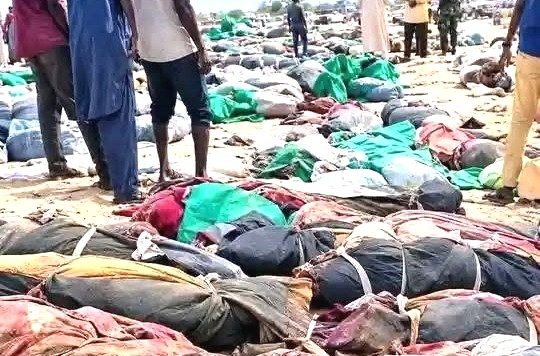
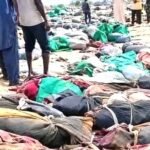
These forces have been accused of human rights violations, including ethnically motivated killings, the burning of villages, and the forced displacement of residents. The arrest of 26 members of the tribe working for humanitarian organizations has also been reported.
These administrative and security measures reflect a clear determination on the part of the “National Transitional Government” to impose a new reality and transform military control into permanent state institutions. However, despite their legislative expansion and the establishment of executive bodies, these structures will continue to face two major obstacles: ongoing violations and tribal tensions in their areas of influence, and the lack of external diplomatic support.
As a result, the proposed “National Transitional Government” remains a de facto authority in need of stability and recognition.