









Under the leadership of King Mswati III, Eswatini has turned its cultural and historical identity into a powerful diplomatic tool. The monarch draws on the kingdom’s rich traditions to forge strategic alliances, strengthen South-South cooperation, and promote a pan-African vision based on the recognition of traditional institutions.
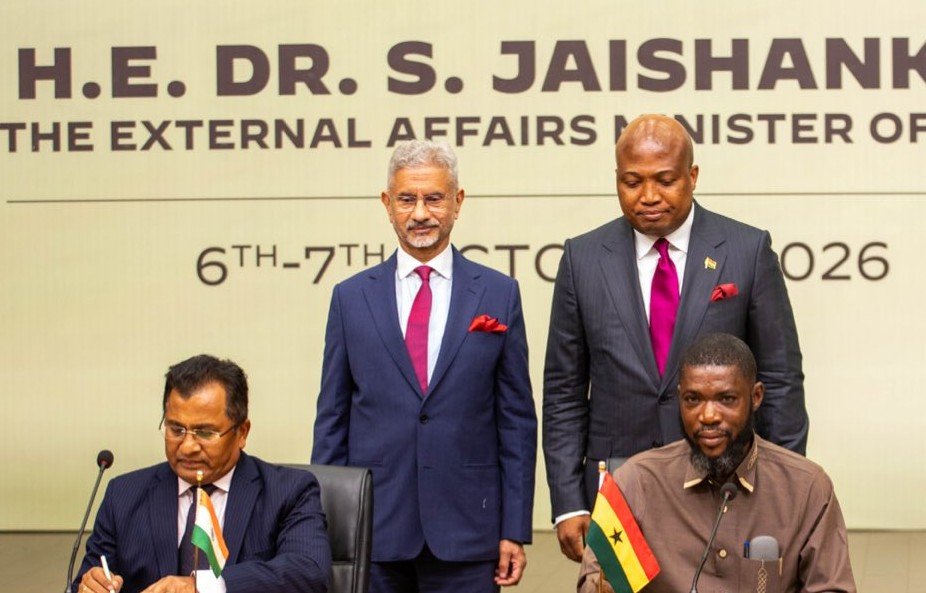
King Mswati III’s official visit to Ghana in June 2025 was a striking illustration of this strategy. Welcomed by President John Dramani Mahama in Accra, the monarch signed a memorandum of understanding establishing a Permanent Joint Commission on Cooperation, designed to strengthen bilateral relations in the areas of trade, education, culture, and governance.
But it was his visit to the Kingdom of Ashanti that held special symbolic significance.
In Manhyia, the Asantehene, Otumfuo Osei Tutu II, welcomed his Eswatini “brother” with a grand ceremony that celebrated the excellence of African culture. During the durbar held in his honor, King Mswati III praised the integration of traditional authorities into local governance in Ghana, a model he described as “worthy of emulation across Africa.”
He emphasized that the preservation of languages and cultures is not a nostalgic endeavor, but a cornerstone of sustainable development and societal progress.
The Eswatini monarch invited the Asantehene to participate in Eswatini’s national cultural celebrations, thereby cementing a bond between two monarchies that share a history of resilience and sovereignty. The exchange of symbolic gifts a 22-karat gold chain adorned with Adinkra symbols, presented by the Asantehene symbolized this friendship between the two kingdoms.
Beyond bilateral exchanges, King Mswati III has positioned Eswatini as a hub for inter-African dialogue. The Conference of African Traditional Leaders, held in Mbabane in September 2025, brought together kings, queens, and chiefs from across the continent to reflect on the role of indigenous governance in the architecture of tomorrow’s Africa.
This cultural diplomacy has also been evident in initiatives such as the Southern Africa Food Festival (SAFFEST), where gastronomy has become a tool for bringing people together and promoting the region’s culinary heritage.
Eswatini is now establishing itself as a key player in African soft power, where tradition is not a relic but a major diplomatic asset for building the continent’s future.