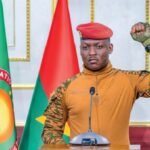
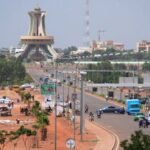
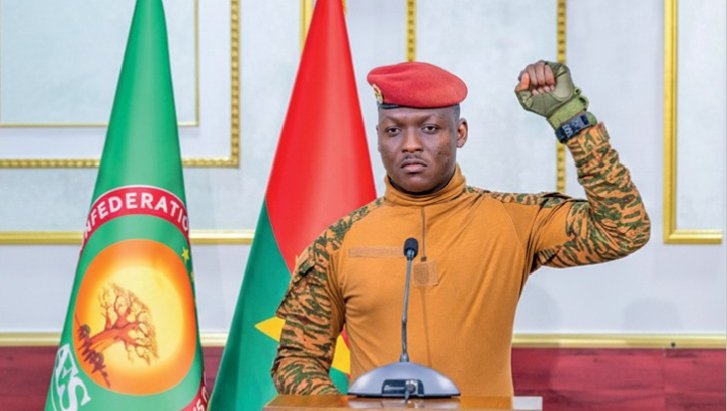
In Ouagadougou, morning awakens to a different rhythm, carried by the roar of motorbikes, the dust of construction sites, and the stubborn momentum of a people lifting their heads. In this movement, Captain Ibrahim Traoré steps forward as a son of Faso who confronts the reality of his country, with its fractures and its immense resources of hope.
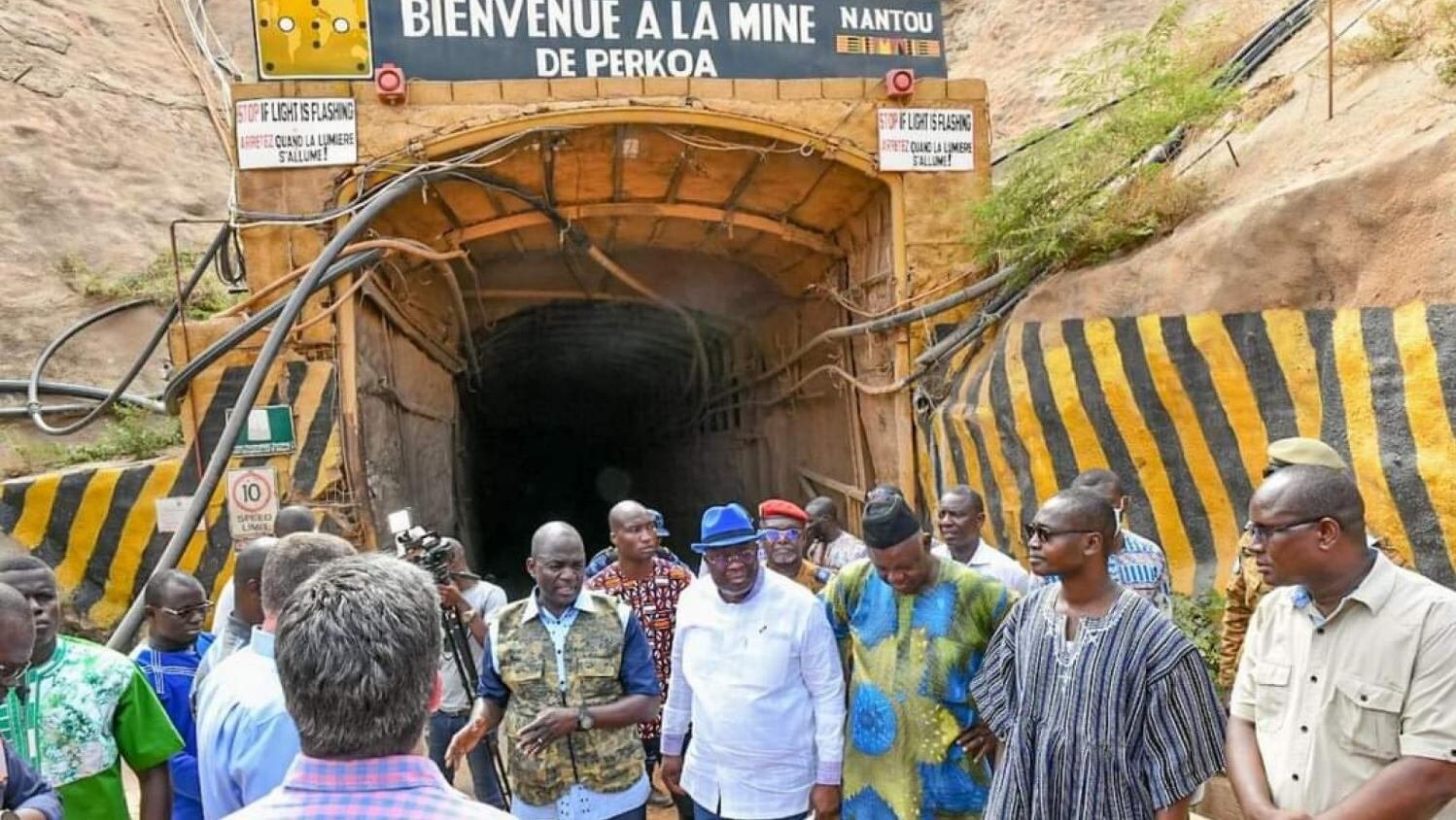
His first victory is a victory of vocabulary. Where people once spoke of a “poor country,” he imposes the idea of a sovereign country. Gold, long extracted and exported without real benefit to communities, becomes a strategic lever.
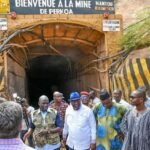
The nationalization of mines and increased state participation in mining projects are not simple technical decisions: they tell of a break with decades of dependency. Burkina Faso’s subsoil ceases to be an abstract wealth and becomes an instrument of dignity.
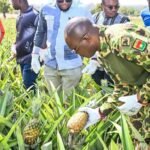
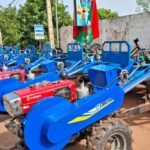
Then there is Faso Mêbo. Three simple words: “Build the country.” Behind the initiative, roads open up, neighborhoods breathe, local materials replace imports, and above all, a new idea takes hold: development is not begged for, it is built.
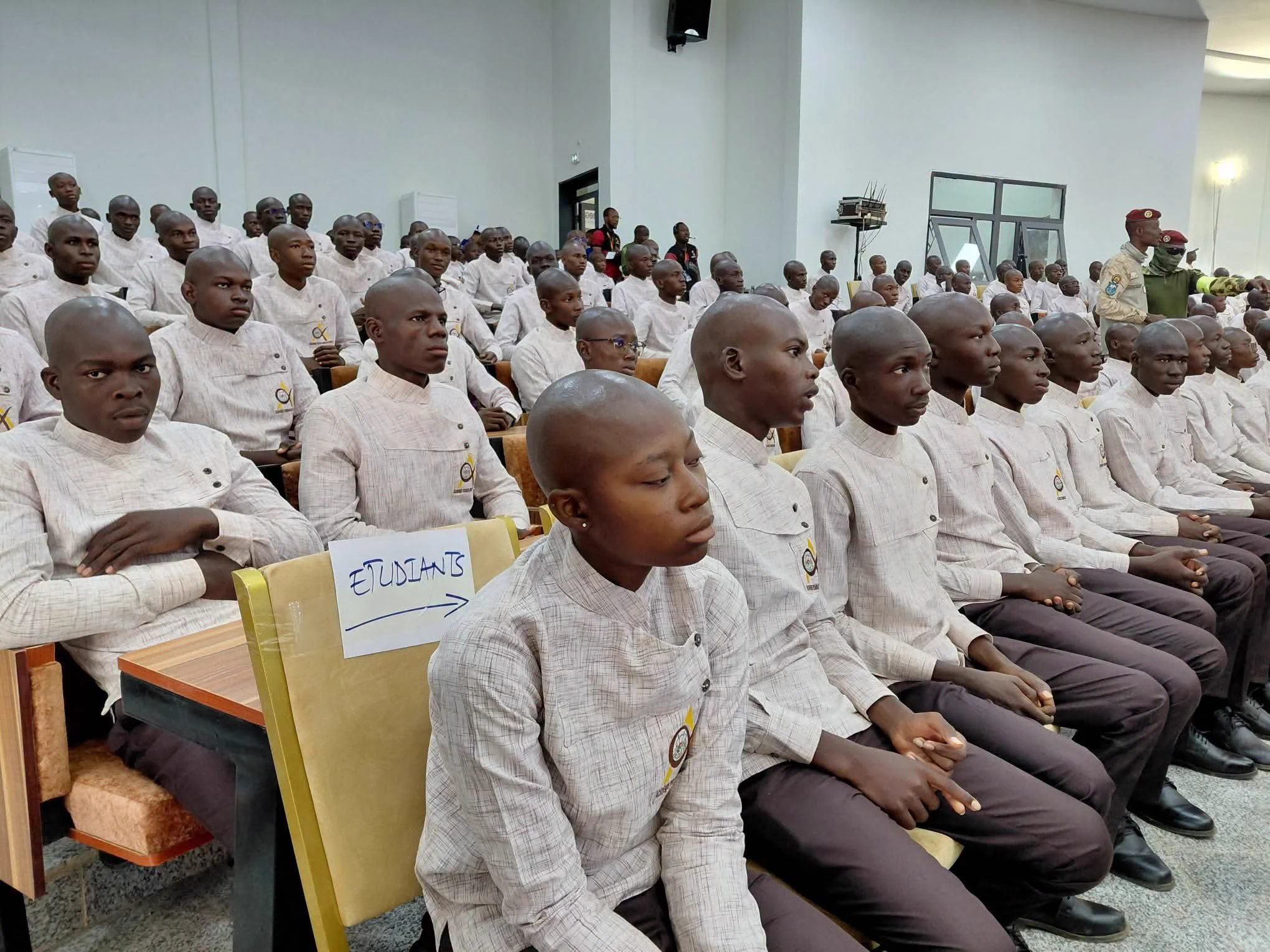
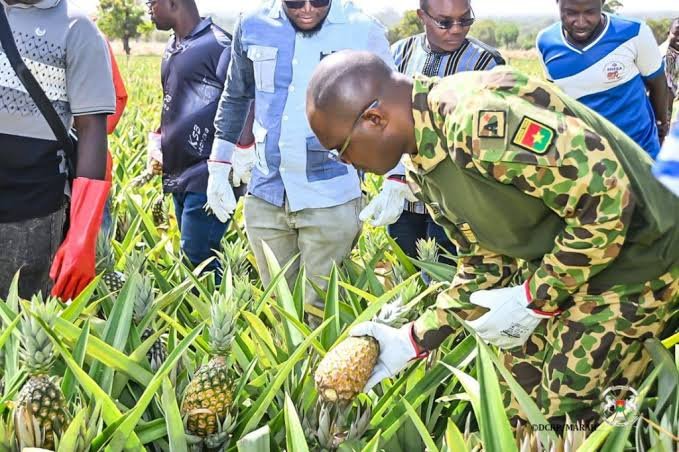
Citizens participate, young people work, villages connect to the rest of the world. Pride is no longer a speech; it becomes a shovel, a wheelbarrow, a kilometer of asphalt.
It has often been said that Africa needs models. Captain Ibrahim Traoré offers something else: a mirror.
He reflects back to the continent the image of a leader who speaks of sovereignty without complexes, who rehabilitates pan-Africanism without nostalgia, and who dares to say that youth is not a problem but a force.
The filiation with Thomas Sankara is not a copy; it is a continuity. The same demand, the same refusal of foreign tutelage, the same conviction that Burkina Faso can write its own history.
Western capitals hesitate, chancelleries stir, media divide. Some speak of a “dictator,” others of a “patriot.” But at bottom, this clamor says one thing above all: Burkina Faso unsettles because it dares.
And in this country where so many promises have been betrayed, one man has at least given back one thing to Burkinabè: the right to believe that tomorrow can look different from yesterday.