






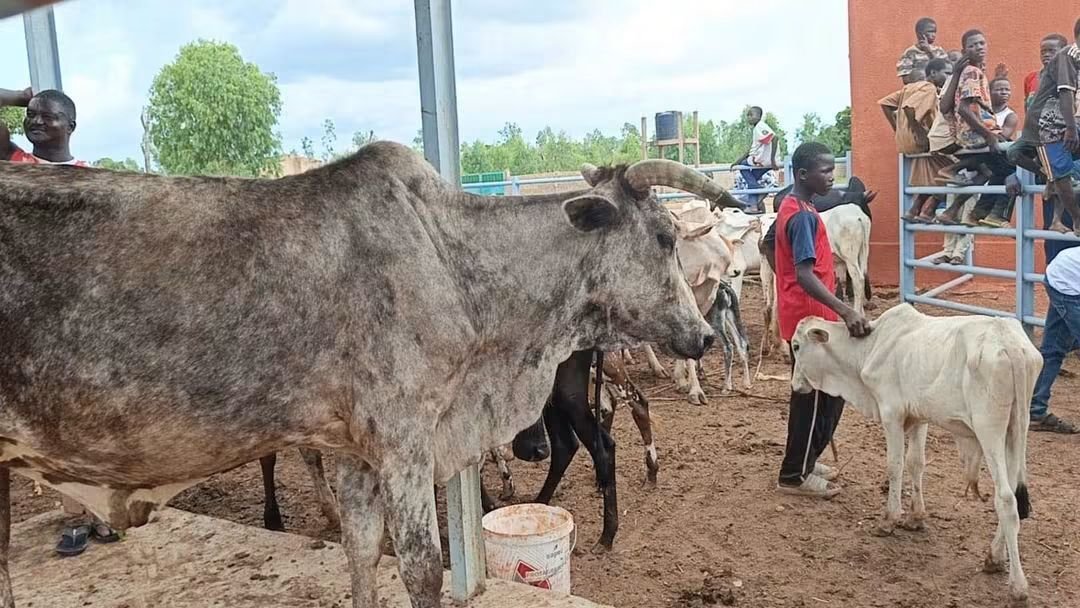
On the dusty tracks of the Sahel as in the pastures of the southwest, the ringing of bells has always accompanied the rhythm of herds. But beneath the coats of Burkinabè zebu cattle, a discreet technological signature is now rewriting the rules of pastoral life. Digital livestock identification is emerging as the Burkinabè government’s strategic response to one of rural areas’ most persistent scourges: cattle theft.
According to the guidelines set by the ministry in charge of animal resources and by the authorities, the system relies on the implantation of electronic boluses or connected tags linking each animal to a national, tamper-proof database.
Where branding with a hot iron reached its limits in the face of falsification and clandestine cross-border channels, the digital reader gives security forces and veterinary services immediate proof of ownership. An animal intercepted at a market or checkpoint instantly reveals its origin, undercutting stolen-goods networks.
This reform, driven at the highest level of the state by the President of Faso, Captain Ibrahim Traoré, is profoundly transforming the very nature of pastoral assets. According to promoters of the national animal identification and traceability program, securing livestock means safeguarding the living savings of millions of rural families.
By giving each animal a verifiable legal and health identity, public action gives pastoralists new economic visibility: a traceable herd becomes a reliable asset, easier to insure, to value and to integrate into formal trade circuits.
Beyond the purely security response, observers of the livestock-meat sector highlight the knock-on effect of this modernization on agricultural productivity. Digital tracking facilitates the planning of vaccination campaigns, the monitoring of transhumance movements and the health certification of products intended for sub-regional export.
However, some field actors point out that the lasting success of such a project also depends on network coverage in remote areas, the continuous equipping of checkpoints and the full support of herder communities.
By betting on technology to protect an ancestral wealth, the Burkinabè executive is placing livestock farming within a dynamic of economic sovereignty and rural modernization, making digital technology a concrete shield in the service of those who live from the land and their herds.